Javanese
- English
- Español
- Português
- русский
- Français
- 日本語
- Deutsch
- tiếng Việt
- Italiano
- Nederlands
- ภาษาไทย
- Polski
- 한국어
- Svenska
- magyar
- Malay
- বাংলা ভাষার
- Dansk
- Suomi
- हिन्दी
- Pilipino
- Türkçe
- Gaeilge
- العربية
- Indonesia
- Norsk
- تمل
- český
- ελληνικά
- український
- Javanese
- فارسی
- தமிழ்
- తెలుగు
- नेपाली
- Burmese
- български
- ລາວ
- Latine
- Қазақша
- Euskal
- Azərbaycan
- Slovenský jazyk
- Македонски
- Lietuvos
- Eesti Keel
- Română
- Slovenski
- मराठी
- Srpski језик

Apa Konsol Cerdas Pusat Dispatching Bisa Ngapikake Tanggap Darurat?
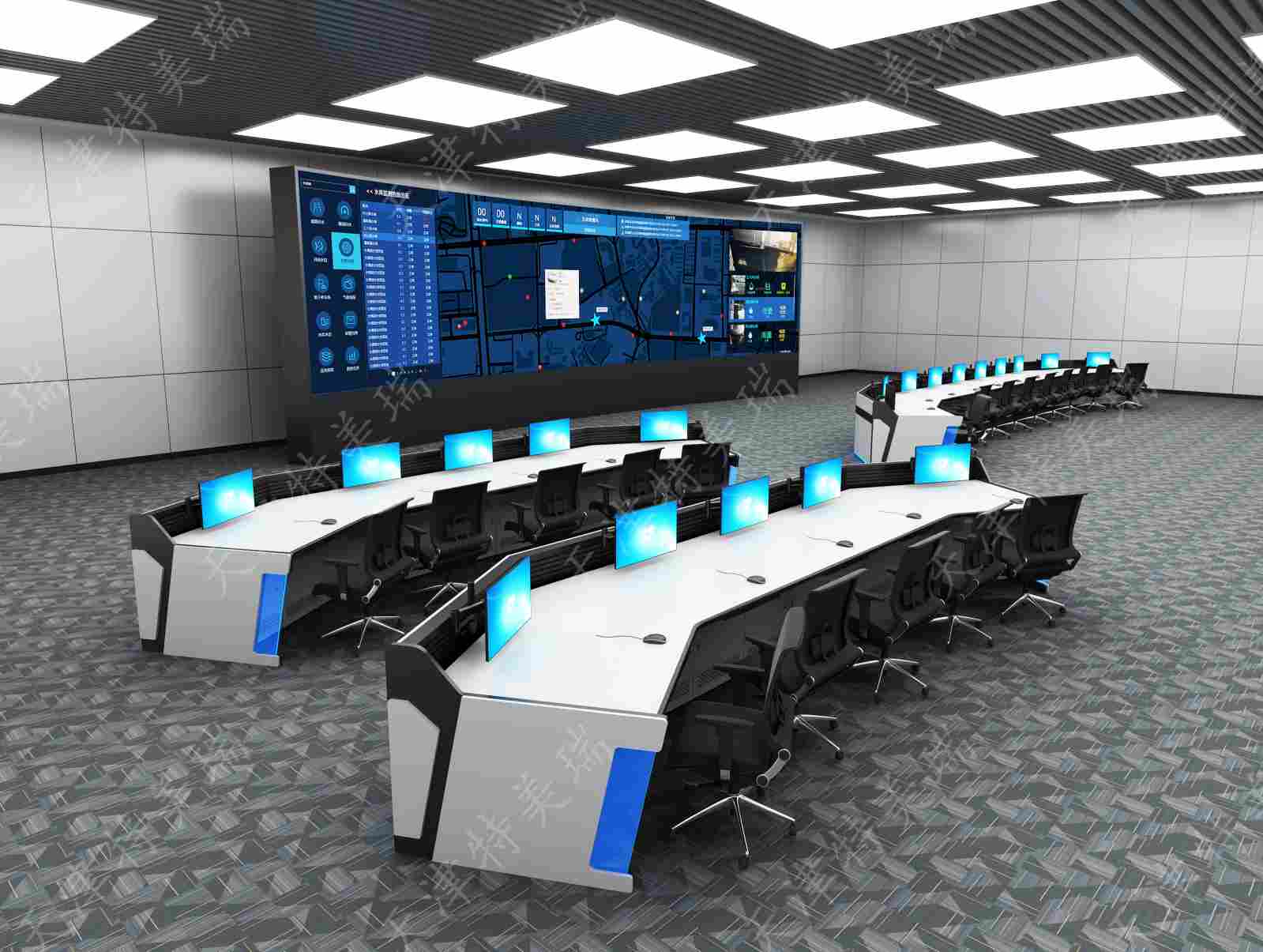
Sajrone pemadaman listrik, gangguan lalu lintas, utawa kedadeyan industri, respon darurat gumantung marang sepira cepet wong bisa ngowahi informasi sing kasebar dadi tumindak sing terkoordinasi. AnKonsol Intelligent saka Dispatching Centerbisa ndhukung proses iki dening ngatur informasi kritis, Ngapikake komunikasi, lan ngewangi operator njaga tampilan sing jelas babagan kahanan berkembang.
Napa Kirim Darurat Asring Kelangan Wektu sing Berharga
Acara darurat jarang ngetutake urutan sing bisa diramal. Kamar kontrol bisa nampa weker saka sistem ngawasi, telpon saka tim lapangan, nganyari status peralatan, lan panjalukan saka sawetara departemen ing sawetara menit. Saben pesen bisa uga migunani, nanging tantangan nyata yaiku ngerteni kepiye informasi kasebut cocog.
Nalika operator kudu bola-bali ngalih ing antarane layar, alat komunikasi, lan cathetan manual, rincian penting bisa dilalekake. Loro departemen bisa kerja saka nganyari sing beda-beda, nalika tim lapangan ngenteni konfirmasi sadurunge tumindak.
Keterlambatan kasebut ora mesthi amarga kekurangan informasi. Ing pirang-pirang kasus, masalahe yaiku informasi teka liwat saluran sing kapisah tanpa gambar operasional sing dienggo bareng.
Kepiye Konsol Dispatch Ndhukung Keputusan sing Luwih Cepet
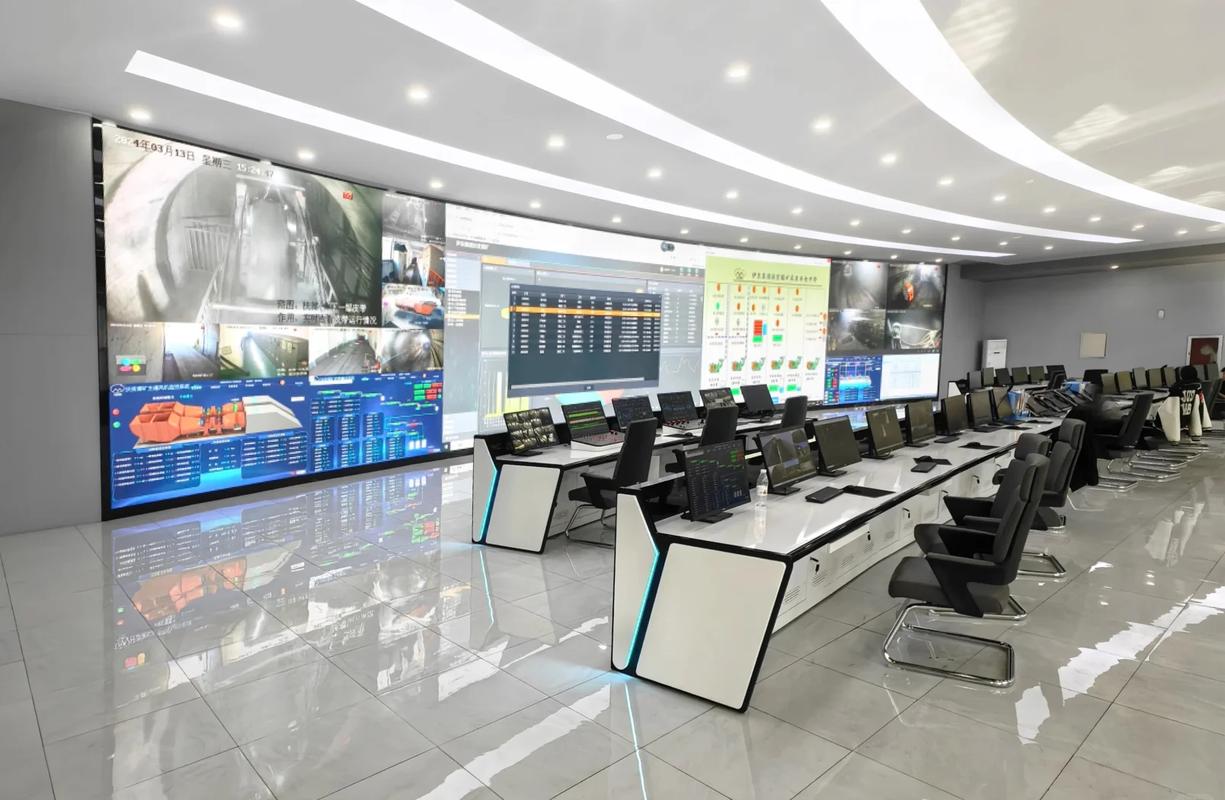
Konsol pengiriman nyedhiyakake ruang kerja khusus kanggo peralatan ngawasi, komunikasi karo tim, lan ngatur informasi operasional. Kontribusi kanggo tanggap darurat gumantung saka carane workstation, sistem komunikasi, lan alat digital bisa bebarengan.
Nggawa Informasi Kritis menyang One View
Kamar kontrol sing terkoordinasi bisa nampilake pesen weker, kondisi peralatan, lokasi kedadeyan, lan kemajuan respon ing tata letak sing konsisten. Operator bisa ngenali acara endi sing mbutuhake perhatian langsung tanpa bola-bali nggoleki antar muka sing ora nyambung.
Contone, sajrone gangguan listrik regional, operator bisa uga kudu mbandhingake gardu sing kena pengaruh, mriksa weker peralatan, lan komunikasi karo tim pangopènan. Tata letak konsol sing diatur kanthi apik mbantu supaya tugas-tugas kasebut katon lan nyuda gerakan sing ora perlu ing antarane stasiun kerja.
Ngapikake Komunikasi Antarane Tim
Tanggap darurat asring nglibatake sawetara departemen sing kerja ing tekanan wektu. Operator pangirim kudu nuduhake instruksi sing akurat, ngrekam nganyari penting, lan nglacak apa tumindak sing ditugasake wis rampung.
Lingkungan pengiriman terintegrasi bisa ndhukung komunikasi liwat sistem telpon sing disambungake, peralatan radio, terminal data, lan tampilan bareng. Penempatan peralatan sing cetha lan manajemen kabel sing teratur uga mbantu supaya kontrol penting bisa diakses sajrone operasi lengkap.
Tujuane ora mung kanggo nambah kacepetan komunikasi. Iki kanggo nyuda misunderstandings lan priksa manawa informasi sing relevan tekan wong sing tepat ing wektu sing tepat.
Apa Teknologi Cerdas Bisa Prediksi Masalah Sabanjure?
Pemantauan digital lan analisis data nggawe kesempatan anyar kanggo pusat pengiriman. Tinimbang ngenteni operator ngerteni saben maca sing ora normal, sistem sing disambungake bisa ngenali pola sing ora biasa lan menehi tandha adhedhasar ambang sing dikonfigurasi utawa model analitis.
Contone, weker peralatan bola-bali digabungake karo munggah suhu operasi bisa nuduhake fault berkembang. Platform ngawasi bisa nyorot pola kasebut, ngidini operator neliti sadurunge kahanan dadi luwih serius.
Kecerdasan buatan bisa uga ndhukung klasifikasi kedadeyan, pengambilan informasi, lan nyiapake ringkesan operasional. Nanging, ramalan mung migunani yen data dhasar akurat lan tandha bisa dingerteni. Keputusan darurat isih mbutuhake prosedur sing wis ditemtokake, pertimbangan manungsa, lan tanggung jawab sing jelas.
AnKonsol Intelligent saka Dispatching Centermulane dianggo paling apik minangka bagéan saka lingkungan operasional tumata tinimbang minangka Piece dewekan saka Furnitur utawa sistem kaputusan-nggawe sawijining.
Faktor Desain Apa sing Penting ing Kamar Kontrol Darurat?
Stasiun kerja fisik tetep penting sanajan sistem digital dadi luwih maju. Operator bisa kerja kanggo owah-owahan dawa, ngawasi pirang-pirang tampilan, lan nanggapi kedadeyan kanthi bebaya. Tata letak sing ora apik bisa nambah ketegangan fisik lan mental sing ora perlu kanggo peran sing wis nuntut.
| Pertimbangan desain | Apa iku penting nalika darurat |
|---|---|
| Tatanan layar | Tansah tandha penting lan tampilan operasional ing ngarsane |
| Ergonomi | Ndhukung operasi nyaman sajrone shift lengkap |
| Aksesibilitas peralatan | Nggawe piranti komunikasi lan kontrol luwih gampang digayuh |
| Manajemen kabel | Njaga sambungan diatur lan ruang kerja supaya teratur |
| Tata letak modular | Mbantu nampung peralatan ganti lan syarat sistem |
| Akses pangopènan | Nyederhanakake pemeriksaan lan servis peralatan sing dipasang |
Pertimbangan kasebut relevan ing jaringan listrik, sistem transportasi, fasilitas keamanan umum, pabrik industri, lan lingkungan liyane sing penting kanggo ngawasi terus-terusan.
Tata letak kudu nggambarake prosedur kerja sing nyata. Contone, kamar kiriman transportasi bisa menehi prioritas informasi rute lan peralatan komunikasi, dene kamar kontrol industri bisa luwih fokus ing pemantauan proses lan weker peralatan.
Ngukur Apa Tanggap Darurat Wis Apik
Tata letak konsol utawa antarmuka digital anyar kudu ditaksir liwat langkah-langkah operasional praktis tinimbang mung katon. Indikator sing migunani kalebu wektu sing dibutuhake kanggo ngakoni weker, akurasi informasi sing dilewati ing antarane tim, wektu sing dibutuhake kanggo nemtokake kedadeyan, lan jumlah kesalahan komunikasi sing direkam sajrone latihan.
Latihan darurat bisa mbukak masalah sing ora bisa ditindakake dening operasi rutin. Yen operator bola-bali kantun tandha sing padha utawa berjuang kanggo nemokake kontrol penting, masalah kasebut bisa uga kalebu organisasi layar, desain alur kerja, utawa latihan tinimbang teknologi pemantauan kasebut.
Tinjauan reguler uga mbantu departemen ngerti apa sisteme menehi tampilan acara bareng lan manawa prosedur komunikasi serep tetep bisa diakses nalika sistem utama gagal.
Peran Desain Konsol ing Pusat Dispatch Masa Depan
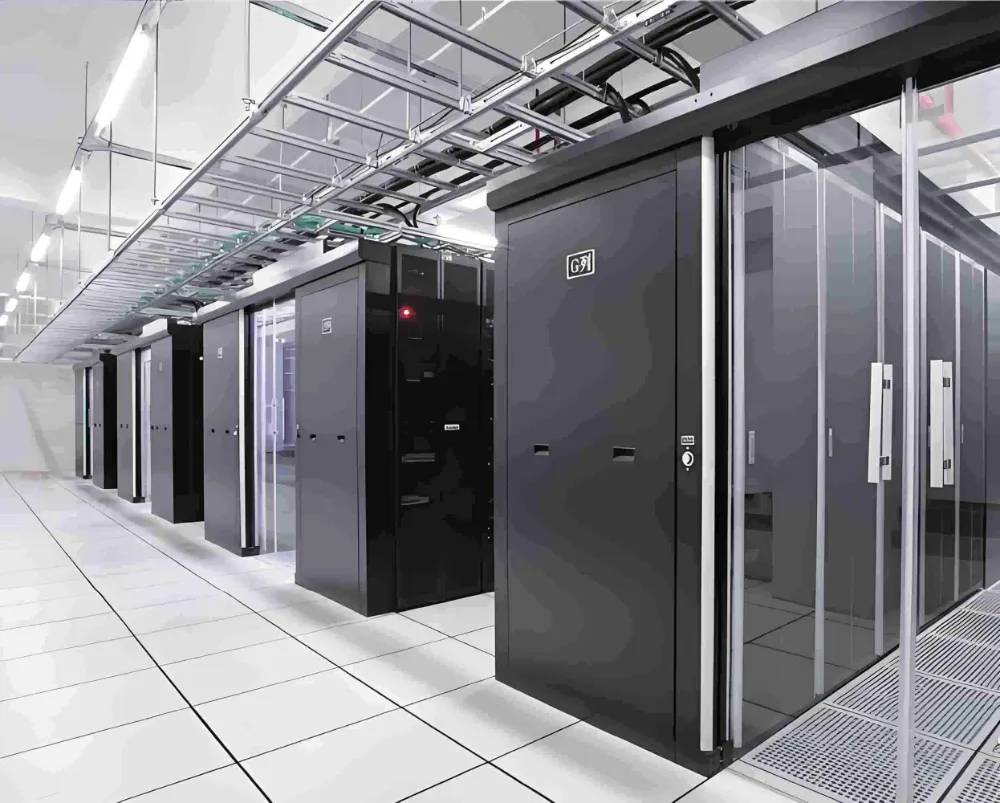
Nalika pusat kiriman nyambungake piranti ngawasi, platform komunikasi, lan alat analitis liyane, desain stasiun kerja kudu selaras karo kabutuhan operasional. Tianjin Temery Metal Products Co., Ltd. ngasilake konsol ngawasi, konsol kontrol, konsol pengiriman, lemari jaringan, lan sistem tembok video. Fasilitas manufaktur ing Tianjin kalebu peralatan pangolahan CNC modern lan situs produksi kira-kira 10.000 meter persegi, ndhukung karyane ing peralatan kamar kontrol logam.
Tren industri sing luwih akeh yaiku nyedhaki lingkungan kontrol sing nggabungake tata letak fisik sing jelas karo sistem informasi sing disambungake. Teknologi bisa mbantu operator ngenali acara lan ngoordinasi tanggapan, nanging manajemen darurat sing efektif isih gumantung marang personel sing dilatih, komunikasi sing dipercaya, prosedur praktis, lan ruang kerja sing teratur.
Pungkasane, anKonsol Intelligent saka Dispatching Centerbisa ningkatake respon darurat nalika rancangane ndhukung akses informasi sing luwih cepet, koordinasi sing luwih jelas, lan pengambilan keputusan sing luwih konsisten. Nilai kasebut ora ana ing jumlah layar utawa anané fitur canggih, nanging kanthi efektif mbantu wong nanggapi nalika saben menit penting.
Sadurunge :
-
Warta sing gegandhengan
- Napa Kabinet Kamar Komputer Modular Ngembang kanggo Pusat Data AI
- Infrastruktur Kritis sing Tenang: Napa Hardware Konsol Ngawasi Pantes Siklus Nganyarke Dhewe
- Apa Konsol Pemantauan Besok Bakal Diaktifake Swara lan Prediktif Tinimbang Mung Nampilake Nomer?
- Kaluwihan saka kamar komputer modular
- Fungsi Utama Konsol Operasi
- Kepiye Sampeyan Bisa Pilih Kabinet Jaringan sing Tepat kanggo Bisnis Sampeyan?
Ninggalake kula pesen